Ledger Cold Wallet Account Management: Complete Organization Guide
Ledger Cold Wallet Account Management enables sophisticated portfolio organization through unlimited account creation across all supported coins and blockchain networks.
Ledger Cold Wallet Account Management enables sophisticated portfolio organization through unlimited account creation across all supported coins and blockchain networks. The hierarchical deterministic architecture derives unique addresses from the recovery phrase, allowing organizational separation without requiring multiple physical devices. Users can create accounts for different purposes, income sources, or operational requirements while maintaining unified backup through the single seed phrase.
Ledger Cold Wallet Manage Assets and Ledger Cold Wallet Multiple Accounts capabilities extend beyond simple balance tracking to comprehensive portfolio organization. Unlike simpler solutions from Trezor or KeepKey, Ledger's account management in Ledger Live provides naming, labeling, and organizational features that scale with portfolio complexity. The hardware wallet via USB-C or Bluetooth connection secures all account operations while the software provides user-friendly management interfaces. This page covers complete account and asset management strategies for effective cold storage organization.
Managing Multiple Accounts and Assets
Ledger cold wallet account management supports unlimited accounts per blockchain network, each generating unique addresses while sharing the same recovery phrase backup. Creating multiple accounts improves organization, enhances privacy through address separation, and enables purpose-specific fund management across the supported coins ecosystem. The account structure follows BIP-44 derivation standards ensuring compatibility and predictable restoration.
Account management through Ledger Live provides visual organization with naming and visibility controls. Users can create systematic organizational schemes that scale with portfolio complexity, from simple separation between trading and savings to elaborate multi-purpose hierarchies.
Adding and Removing Accounts
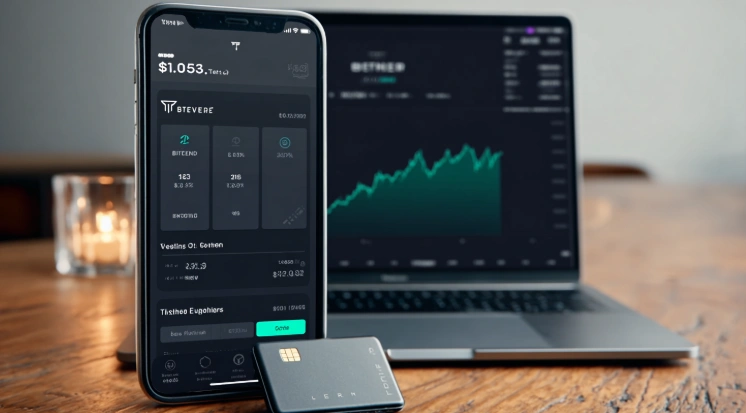
Ledger cold wallet add account process:
| Action | Steps Required | Device Needed | Effect |
|---|---|---|---|
| Add account | Select crypto, create | Yes (approval) | New derivation path |
| Remove account | Click remove option | No | Hides from interface |
| Rename account | Edit label field | No | Changes display name |
| Star account | Click star icon | No | Prioritizes in list |
| Hide account | Toggle visibility | No | Removes from view |
Removing accounts in Ledger Live hides them from display without affecting blockchain data. Funds remain accessible by re-adding the account, as the derivation path persists in the recovery phrase.
Organizing Assets by Blockchain
Ledger cold wallet asset organization principles:
- Create separate accounts for distinct purposes on each blockchain
- Use consistent naming conventions across all accounts
- Group related accounts using naming prefixes
- Consider tax implications when designing account structure
- Separate active trading accounts from cold storage holdings
- Document account purposes for future reference
- Review and adjust organization as portfolio evolves
Thoughtful organization from the beginning prevents confusion as portfolios grow. Time invested in structure pays dividends in ongoing management efficiency.
Portfolio Organization Strategies
Ledger cold wallet account management extends to strategic organization that supports specific goals. Different users benefit from different organizational approaches based on trading frequency, portfolio size, tax requirements, and operational needs. Selecting appropriate strategies enables efficient management aligned with individual circumstances.
Organization strategies can combine multiple approaches. Users might separate by purpose within each blockchain while also maintaining time-based distinctions for tax reporting purposes.
Purpose-Based Account Separation
Ledger cold wallet multiple accounts organization approaches:
Strategic account categories:
- Long-term holdings: Primary savings not intended for trading
- Active trading: Funds allocated for market opportunities
- DeFi participation: Assets deployed in protocols
- Staking accounts: Tokens committed to network validation
- Income receiving: Accounts for salary or business receipts
- Spending accounts: Funds for regular cryptocurrency payments
- Tax-year accounts: Separated by acquisition period
- Gift accounts: Assets designated for future gifting
Each category serves specific management and reporting purposes. Clear separation simplifies tracking and decision-making.
Token and NFT Management
Ledger cold wallet manage assets extends to tokens and NFTs beyond native blockchain coins. ERC-20 tokens on Ethereum, SPL tokens on Solana, and similar standards on other networks appear under parent accounts holding the native coin. NFTs display in dedicated galleries with metadata and visual previews.
Token management requires understanding the relationship between tokens and parent accounts. Token transactions require native coin balances for network fees, meaning ETH must be present to send ERC-20 tokens, SOL for SPL tokens, and so forth.
Managing Network-Specific Assets
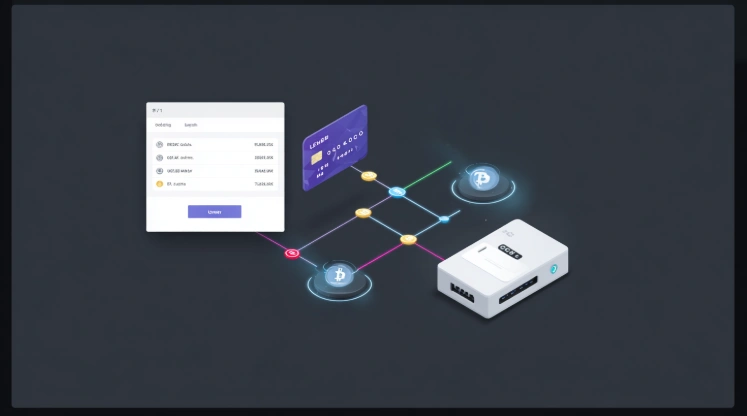
Ledger cold wallet asset organization by network:
| Network | Token Standard | Fee Currency | NFT Support |
|---|---|---|---|
| Ethereum | ERC-20, ERC-721 | ETH | Full support |
| BNB Chain | BEP-20 | BNB | Full support |
| Solana | SPL | SOL | Full support |
| Polygon | ERC-20 | MATIC | Full support |
| Avalanche | ARC-20 | AVAX | Full support |
Token discovery in Ledger Live automatically detects many popular tokens. Less common tokens may require manual addition using contract addresses for complete visibility across all supported coins.
Frequently Asked Questions
-
Unlimited accounts for each supported blockchain. All accounts derive from your single recovery phrase and restore identically during wallet recovery.
-
No. Removing accounts hides them from Ledger Live display. Blockchain data remains unchanged. Re-add the account to restore visibility.
-
Yes. Adding the same account on both platforms provides synchronized visibility. Both query the same blockchain data.
-
Create separate accounts for different tax years or acquisition sources. Document the purpose of each account for reporting clarity. Consult tax advisors for specific strategies.
-
Ensure the parent blockchain account is added first. Some tokens require manual addition using contract addresses if automatic discovery does not detect them.
-
Yes. Using fresh accounts for unrelated transactions improves privacy by preventing address linkage analysis. This is particularly relevant for Bitcoin and similar networks.
-
Send normally as you would to any address. Transfers between your accounts are standard blockchain transactions requiring network fees.