How to Use Ledger Cold Wallet: Complete Daily Usage Guide
How to Use Ledger Cold Wallet effectively requires understanding both the hardware device interactions and companion software navigation that together enable secure cryptocurrency management.
How to Use Ledger Cold Wallet effectively requires understanding both the hardware device interactions and companion software navigation that together enable secure cryptocurrency management. The cold wallet approach provides exceptional security through hardware isolation of private keys while Ledger Live software delivers a user-friendly interface for portfolio viewing, transaction creation, and account management. Mastering daily usage patterns enables efficient operation while maintaining the security benefits that make cold storage the preferred choice for cryptocurrency protection.
Ledger Cold Wallet Usage and Ledger Cold Wallet Daily Use encompass routine operations including balance checking, transaction creation, address verification, and account management. The hardware wallet connects via USB-C for desktop operations or Bluetooth for mobile convenience on supported models including Nano X, Stax, and Flex. Unlike software wallets where all operations occur in potentially vulnerable environments, Ledger's architecture ensures security-critical functions happen inside the certified secure element. This page covers essential usage knowledge for daily cold wallet operations across all supported coins and blockchain networks.
Daily Use of Ledger Cold Wallet
How to use ledger cold wallet for routine cryptocurrency management involves understanding when device interaction is required versus when software-only operations suffice. The hardware wallet is needed for security-sensitive actions including transaction signing, address verification, and account creation. Portfolio viewing, balance checking, and transaction history review operate through Ledger Live without device connection. This separation enables convenient monitoring while ensuring critical operations maintain hardware protection.
Daily usage patterns vary based on individual needs. Active traders may connect multiple times daily while long-term holders may interact weekly or less frequently. The cold wallet adapts to both patterns, providing security regardless of usage frequency while enabling convenient access when needed.
Understanding the Ledger Cold Wallet Interface
Ledger cold wallet interface elements across device models:
| Interface Element | Nano S Plus/X | Stax/Flex | Function |
|---|---|---|---|
| Display | OLED screen | E-ink touchscreen | Information display |
| Navigation | Two buttons | Touch gestures | Menu selection |
| Confirmation | Both buttons | Touch confirm | Approve actions |
| Dashboard | App list | Grid view | Installed apps |
| Settings | Menu access | Settings icon | Device configuration |
The interface adapts to device capabilities while maintaining consistent security workflows. Button-based models require simultaneous press for confirmation, preventing accidental approvals. Touchscreen models use deliberate touch targets achieving the same protection.
Basic Actions Every User Should Know
Ledger cold wallet basic actions for daily operation:
- Unlocking device with PIN code entry
- Opening blockchain applications on device
- Viewing receiving addresses with verification
- Confirming transaction details before signing
- Checking installed applications in Manager
- Updating firmware when prompted
- Disconnecting device safely after use
These fundamental actions form the basis for all cold wallet operations. Proficiency with basic actions enables confident handling of more complex operations as needs evolve.
Navigating Ledger Live Software
How to use ledger cold wallet through the companion software requires familiarity with Ledger Live's interface and capabilities. The software provides portfolio management, market information, account organization, and transaction creation while the hardware wallet handles security-critical signing operations. Understanding the software enables efficient wallet operations within the secure architecture.
Ledger Live operates on Windows, macOS, Linux desktop platforms and iOS, Android mobile platforms. Desktop and mobile versions provide similar functionality with interface adaptations for each environment. Settings synchronize through optional Ledger account features.
Dashboard and Portfolio Overview
Ledger cold wallet usage dashboard elements:
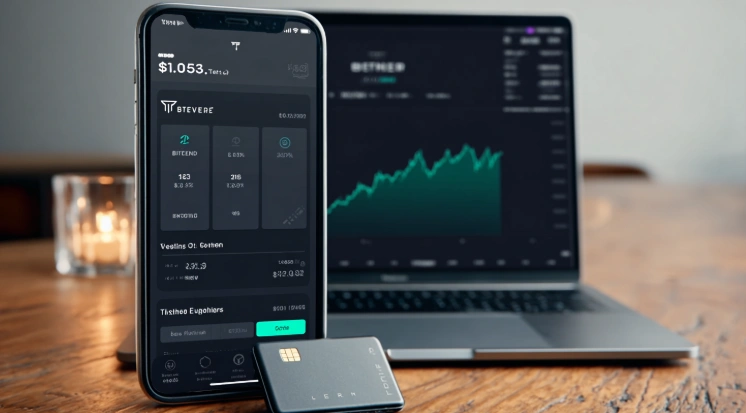
Dashboard navigation workflow:
- Open Ledger Live application on desktop or mobile
- View portfolio summary showing total value across accounts
- Check individual account balances in the account list
- Review recent transactions in activity feed
- Access Manager for device and app management
- Navigate to Settings for configuration options
- Use Discover for additional services and features
- Check notifications for updates and alerts
The dashboard provides comprehensive portfolio visibility without requiring device connection. Real-time balance updates occur through blockchain network synchronization.
Device Interaction Essentials
Ledger cold wallet daily use requires understanding proper device handling for optimal security and longevity. Physical interaction patterns differ between button-based navigation (Nano models) and touchscreen operation (Stax, Flex). Regardless of model, certain principles apply to all device interactions ensuring security and functionality.
Device handling includes proper connection procedures, appropriate storage between uses, and awareness of battery management for Bluetooth-capable models. These practices maintain device reliability throughout its operational lifetime.
Button and Touchscreen Controls
Ledger cold wallet interface control methods:
| Action | Nano Buttons | Stax/Flex Touch | Purpose |
|---|---|---|---|
| Navigate | Left/Right buttons | Swipe gestures | Menu browsing |
| Select | Both buttons | Tap item | Choose option |
| Confirm | Both buttons held | Swipe to confirm | Approve action |
| Cancel | Single button | Back gesture | Reject or return |
| Scroll | Sequential presses | Scroll gesture | View more content |
| Enter PIN | Both buttons to move | Tap digits | Device access |
Mastering control methods enables efficient device operation. Practice with non-critical operations builds confidence before handling significant transactions.
Frequently Asked Questions
-
Only for security-sensitive operations like signing transactions or verifying addresses. Portfolio viewing and balance checking work through Ledger Live without device connection.
-
Yes. Ledger Live displays balances by querying blockchain networks directly. Device connection is only required for operations involving private keys.
-
Yes. Ledger Live does not store private keys, which remain exclusively in the hardware device. The software poses no security risk when running on your computer.
-
The device powers on with PIN prompt, genuine check passes in Ledger Live, and transactions display correctly on the hardware screen during signing.
-
Yes. Ledger integrates with MetaMask, Rabby, Electrum, and many other wallets that support hardware wallet connections for enhanced security.
-
Disconnect safely by closing applications and unplugging USB-C cable. Store in a secure location away from extreme temperatures and moisture.
-
The internal battery provides approximately 8 hours of Bluetooth operation. USB-C connection charges the battery while using the device.